
Crocodiles and Caimans in Costa Rica: Nesting and Safety
October 12, 2026 · Caribbean Winds
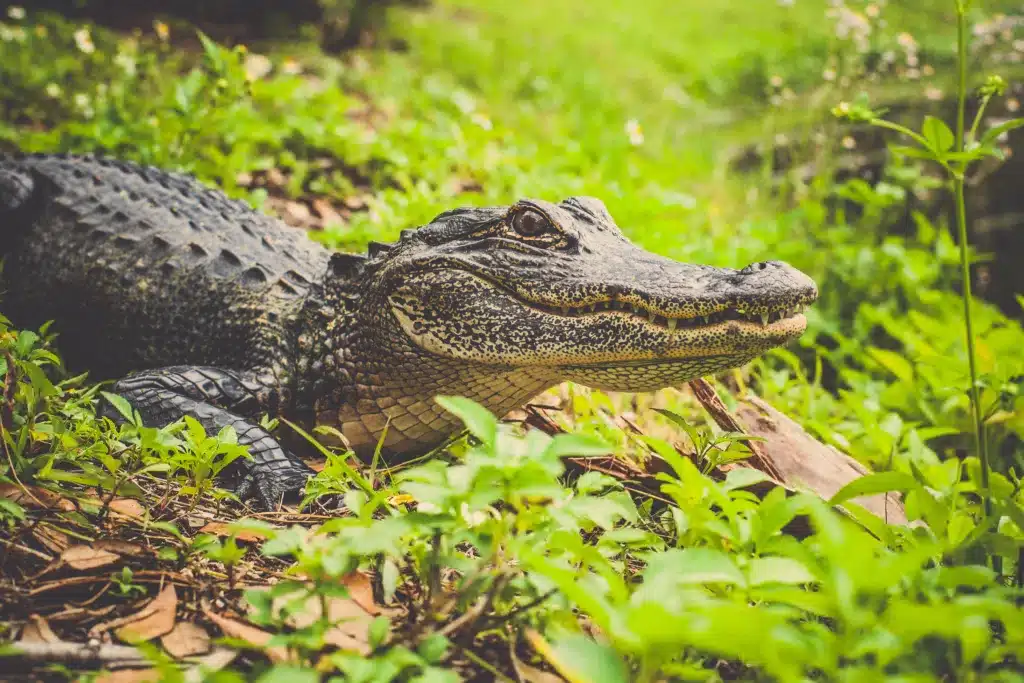
Two species, several local names
Costa Rica is home to two native crocodilians: the American crocodile (Crocodylus acutus) and the spectacled caiman (Caiman crocodilus). Understanding the difference helps you appreciate river and wetland wildlife, but identification should never require approaching an animal.
SINAC’s national crocodilian report distinguishes these two species and their different families. A caiman belongs to the alligator family; that does not make it the same species as an American alligator.
Crocodile or caiman: what is the difference?
American crocodile
Crocodylus acutus
Family: Crocodylidae.
A large crocodilian with a relatively narrow, elongated snout. Adults can be substantially larger than Costa Rican caimans. It uses rivers, lagoons, estuaries and coastal habitats.
Spectacled caiman
Caiman crocodilus
Family: Alligatoridae.
Generally smaller. A bony ridge between the eyes gives it the “spectacled” name. It commonly occupies slow-moving rivers and wetlands. Small size never makes handling or close approaches appropriate.
The caiman’s facial ridge and other identification features are described by the University of Michigan’s Animal Diversity Web. Body size or snout shape alone can be misleading, especially with juveniles. Observe from a safe position and let a knowledgeable guide explain what you are seeing.
Does “lagarto” mean a third species?
In Costa Rican conversation, lagarto or lagarto amarillo may refer to the American crocodile. The Universidad de Costa Rica uses “lagarto amarillo” for Crocodylus acutus. It is a local name, not a third native crocodilian.
In other contexts, “lagarto” can mean a lizard. Iguanas and basilisks are lizards, not crocodiles or caimans. Ask for the scientific name when a local name leaves you unsure.
Where are they found in Costa Rica?
SINAC’s 2024 national report describes American crocodiles on both the Pacific and Caribbean sides of the country, as well as inland waters. Pacific examples include the Tempisque, Tárcoles, Térraba and Coto river systems. Caribbean and northern wetland systems also support crocodiles.
The same report places spectacled caimans in the Caribbean, northern region, and Central and South Pacific, overlapping with crocodiles in some areas. Caño Negro is a well-studied example of caiman habitat.
These are habitat patterns, not a checklist of safe swimming places. A river can support crocodilians even when none is visible. Conditions and animal movements change; ask conservation staff, local authorities or your guide before choosing any waterside activity.
Nesting season: distinguish egg laying from the whole reproductive cycle
There is no single nesting calendar that applies to every wetland in Costa Rica. Rainfall, water levels and local habitat influence timing.
American crocodiles: the IUCN species assessment describes nesting during the annual dry season, with hatching around the onset of the rains. Females usually bury eggs in a nest excavated in suitable ground; nesting behavior can vary between sites. “Dry season” is a biological pattern, not a guarantee of identical dates on both coasts.
Spectacled caimans: they build mound nests using vegetation and soil. The FAO species account relates courtship and reproduction to the rains. Research presented by a Universidad Nacional investigator documented caiman nests in Caño Negro during July and August 2012 and 2013. Those observations are local evidence, not a nationwide start and finish date.
The Costa Rican Tourism Institute’s crocodile safety brochure identifies September through June as a broad reproductive period requiring extra caution. That warning covers reproductive activity; it should not be read as ten months of continuous egg laying. Follow local closures and guidance at any time of year.
Why nests and young animals deserve extra space
Crocodilians can guard nests and young. Do not investigate a mound, collect eggs, move a hatchling or place yourself between an adult and the water. A small animal nearby may mean adults are also present, even if you cannot see them.
If you suspect a nest near a trail or visitor area, leave the area undisturbed and notify the guide or park staff. Assessment and handling belong to trained authorities, not visitors.
Precautions for people exploring their ecosystems
The ICT’s safety advice emphasizes respecting habitat, avoiding swimming where crocodiles may occur, supervising children and never feeding these animals. Put that into practice:
- Do not swim or wade in known or suspected crocodilian habitat. Clear water and an empty-looking bank do not establish safety.
- Respect warning signs, barriers, closures and the guidance of conservation staff.
- Stay back from the water’s edge and never approach for a photograph.
- Keep children close and under continuous adult supervision.
- Do not feed, bait, capture or touch crocodiles or caimans.
- From a boat, keep hands and feet inside and follow the guide’s instructions.
- Leave nesting sites, eggs and young animals untouched.
There is no “safe season” that cancels these precautions. UCR also warns against myths such as crocodiles being unable to bite underwater. In an immediate emergency in Costa Rica, call 9-1-1.
Can a caiman be treated as harmless?
No. Caimans are usually smaller than American crocodiles, but they remain wild predators. The sensible response to either species is observation from a respectful distance, not touching, feeding or trying to test its reaction.
Explore rivers through observation, not close encounters
Learning about crocodilians is part of understanding healthy wetlands. It does not require feeding them or entering the water. If you are planning a guided Safari Float near La Fortuna, ask our team about the route, current conditions and participation requirements. All river activities carry risks, and sightings of any species are never guaranteed.